poezija

WISHES, “The Second Birth Of Tragedy”, Leila Samarrai

With wincing voids and dismayed mornings
The leisured stones ring.
You gnash…

Does Fire not yearn to burn the garden
To transfuse your body into light
Does rain not hurry to sodden the sky
Or oceans? Do they not strive to find
The galleys of ANCESTOR wrath
With yearn to sail it around by violence?

All of them yearn
Your delicate wishes
Your shadow to please.

A joyful play

Standard
poezija

I – PROPHET, Leila Samarrai

I – PROPHET

I – Prophet!
I wade onto the devils blasphemy
Chiseled inside
The womb of the Sphinx
Where dead Oedipus
Murders father-Chronos
Tied to the flute of Pan
from which the
(un)maker Logos
does not reach.
I – Prophet!
Mock the cross
And the Chosen one’s
Beaten ribs
His saint-peter-esque
Descendents of the new
Tower of Babylon that quarters
Unborn children.
I – Prophet!
I urinate into Lethe
Scattered in the heads
Of Pandora’s bastards
I kiss the wound of Caesar
As predicted by Genesis.

Standard
poezija

THE LAST MOH’S DAY, Leila Samarrai

Dear fellow readers, even though English is not my mother tongue, I’ve written some poems directly in English.  As you know, poetry is a very delicate matter. I am well aware that I have taken a certain amount of poetic risk, but I truly hope you will like it.

THE LAST MOH’S DAY

1.
The Mohawk day: is lost and gone
The stink of ink in poor stomach and glossary
With glyphs and sad music.
Shall I taste the harp – like sound?
Or mad drums of boats – shaped percussion.
Thus my spite greets humanity.

The Spark once came in a shape so dim
The twofold mirror twinned nobody.
Black nobody in rift crystal, bring no – way not all is there

Nature has so many talents, an old dark breaker
Twisted tree, a mark of blemish
For some only a birth defect
Tiny line of malformation. –
I truly say: she knew her way
So, one day she made Moch’s day.

So I forgot who I was, why I was here in non- subsistence
Never here I’ll never be, no, never – be in co -existence
With the whip of an arty bastard
Stinkers and rats crawl nearby, but stinkers eat the dogs among the living.
Slaughtered ‘em all out of kindness
A sweet act of tender office.
From the sole of Nature’s heart.

At peace vigilance.
The bitter wind is bitter breath.
I smell the lofty gasp in leeway.
Look!The starry skies and snowstorms you gave me.

For what? To see?
How can I?

In such cheer and my good spirits
Only martyrs go to heaven
Since I’m trapped in blowup fashion
In unborn ways of shifting lips, bold to kiss my habitations?

Oh jackals, how I envy you!
God forbid all swift captains to live too long

But on the fancied Moch’ Last Day, one stood in order,
foolish phoenix, sculpted anger –
gun dog on behalf of all afore
And he sang a song of noble, elevated, golden spirits!
A summary for bad luck man, for the misfortune
Praise the boldness!
His face was hope
I, once dead craved my forgotten secret tunes
While he stood so steadily.

2.
At mating time of the Holy Cow, I promise you –
That I shall be seen… there.
Painted blue, with a tear in… this hand!

Tear?
My perturbation of the unexpected wounded inbounds
Took flight quick in the old dark blank
Embracing my own spit again, my forceful and glowing antipathy.

Cheap and petty as the Word demands
When the shell is breaking, the shell must be broken
Holy Hammer for Holy Stroke.

An accusation!
An accusation!
Fair parody of the sacred battle
Blessed are falsehood and misery!*

* – indeed they are!

3.
I despise soft angers.
Like felon who cry: Amen.
My tongue licks tools and means so disgraced
And their flames overlap me.
As falsity of guns and fires. As offence in the path of mind.
The truthful mind is immortal light for those who dare to find

The Blind comfortlessness of the broken king – his nutshell had veiled his
Graced courage.
Finally, do dare.
Shoot!
In all the hearts that fade away.

4.
The tone so sharply flirts with action
Towards betrayals, those wicked offenders
You are the core of Moch’s rubbled grief!
Indeed, is that so?
The vow trembles gladly in the heart of the thief.
The drowning age.

Drowned on All Fool’s day
Is there any cheat to blame for such a shame
Evildoer cries aloud, therefore the “Why” for his heavy laugh
When you see the clown, indeed, you smile.

Laughter is not for the Fool
Too many fragments in the sacred heart
The cruelest mouth that never be so cruel
As my despise of morally sigh..

The jester moans and weeps
Such promises!

You, mislead! It’s common sense
And!
The lawful right of sinful worms
A robbery of hope – invention
Undying interest of Judas
Makes kiss so sweet in amusing farce.

The love is born of necessity
let “why” stay cold for bride to be
Risen from the ashes…
Such palaces for non – such kings

God the Father
God the Father
Where’s your son?
And where’s your sin.

God the Father
God the Father
Where’s your son?
And where’s your sin.

Standard
poezija

Leila Samarrai: SAMIRA’S COMFORT, “The Second Birth Of Tragedy”

9f8cb969e912066208ffade278ce6503

image found here

SAMIRA’S COMFORT

You bite the poem under the tongue and words which made reminiscences into dust
They do not understand you, actrisa.
It is time for aktshluss

You were chewed by the populist phenomenology
Of verses devoid of poetry
In the band of false troubadours you cannot be actor primarium patrium
Aristocrat among poetesses do not forget that the Arabs divined your fate with arrows

Do not worry, Leila, I enjoyed reading your verses,
I Samira, the trade woman from the satrapy of forgotten empires
On my breasts I bared the burden heavier than the grandiose pillars from Hatra
Forever banished from the cradle of two folk I belonged to by the disfavor of Alan and Beog who found a dying city

Do not worry, Leila, with you are Greeks and Sarmatians and your name is nailed into the Grecian affiches
Announced by Sophocles on fliers and billboards of alternative theaters
And Caligula dances with your Greek single act dramas on Palatine games

Do not worry, Leila, unpopular poetess in a world which you overcame
With the miracle of discovering the secret home in which you mastered silences

Do not forget everything is a matter of injustice because there is no justice
Do not forget the world became a mine field and an insult
Do not forget another world will be chiseled by your verses of immortal longing

Do not worry, Leila, there will be time for all those who hotly growl on the mention of your name to understand
The unbearable ease of existence and the feather of your French Alexandrine.

Standard
drama

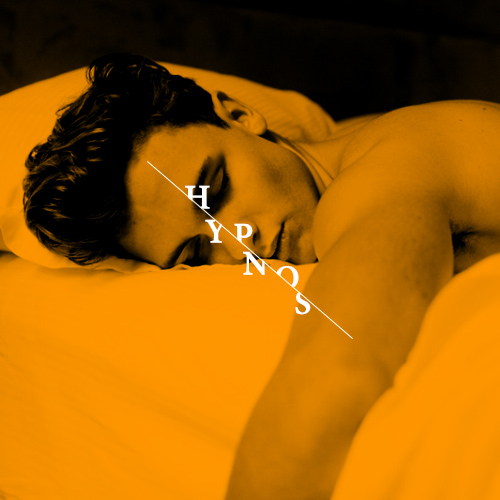
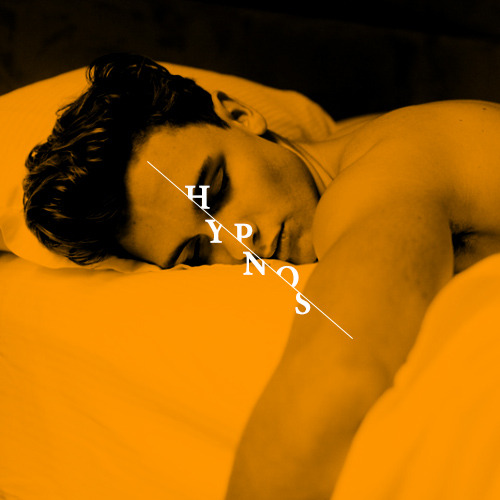
Leila Samarrai: THE SECOND BIRTH OF TRAGEDY, Hypnos and Melpomena

Melpomene

image found here

tumblr_nhzwn2zhJD1rb52ozo1_500

image found  here 

THE SECOND BIRTH OF TRAGEDY

Gods too seek sanctuary in dreams
(Conversation of Hypnos and Melpomena)
(place of deed: the cave of Hypnos)

(Hypnos sits in front of the fireplace,wrapped in fur, shivers from the cold while simultaniously playing with a pendulum carefully observing it from all sides. It appears as though he deeply thought over, those thoughts brightening him. Melpomena enters, all in rags, unkempt hair, bare headed.)

MELPOMENA:
Do not look at me with sleepy eyes! I know where I should be now!
(ripping the remains of the dress from her body and plucking hair. She wept.)

HYPNOS:
Have you canceled the play?

MELPOMENA:
Not I her, but her me… Not I… No longer.

(Hypnos returns to the pendulum and wraps himself in a black chasuble, while he shivers with his entire body.)

MELPOMENA:
(gazing at him)
Trickster, oh Hypnos
Wrapped you are in theater curtains
Blacker they are than thy cave
Wave towards me with your pendulum
I dreamt with an eye open
And I have seen reality
That beloved lie of the Theater
Do it!
Mesmerize me!
For the whisk of the mad hypnothiser
Sways even the wings of Gods
Illusion!
The wings of a bird
Overshadoweded once a dream!
Livid, pale, awake to death
I am no longer Melpomena!
An aggressive clown I am
In the theater of comedy!
(Follow me into the theater!)
Come! Do! Wave your hand!
In front the audience, the wild beast
With a thousand soft heads!
Overshadow me! There, in front of all!
For
Perhaps clean laught(mock)er(y)
Summons the mind to play
And Nature to believe the Truth
In role!
Enchant me!
Either I sleep as before
Or close my eyes.

HYPNOS:
Let us go, but after I stoke the fireplace.

МELPOMENA:
Yes, too cold is for dreams… And I…
Play passions
Improvising merely…
Here and there…
No flash

HYPNOS:
Tragedy!

MELPOMENA:
Fixed her eyes on me, horrified!
Оh, my loving Hegote
From whose lips
I drank
Plunged the knife to hearts
Murdered heroes
In a role I play
And all that…
Miserable, miserably lifeless
Are furries prosecuting me?
Must be because of Megara
She set me against Talia
Maddened by jealous
So my wag sister
Derides me out of vengeance.
Let us go now, depart!
(rises suddenly)

HYPNOS:
May the fire burn
Now that I have stoked it!

MELPOMENA:
One wood is breaking
In the fireplace. It is raw.
His organic nature
Does not let it go aflame!
Same as I… Burning
With fire of violent passion.
Violence! Without passion! That is it!
And the violence!
She burns, but I do not see
Nor the senses feel her.
If I could like before
Believe in passion
I would birth the truth
And be the same old
Playful tragedienne
I lost myself in the theater!
(Why, I?! Melpomena!)
Merely I am a wild cavewoman
Strolling the theater, but not walkng it
The play does not survive.

HYPNOS:
Console yourself, Melpomena! That is good tragedy!

MELPOMENA:
But unblessed!
Unawakened by concious, how was she made?!
Not by my skillful hand!
She made herself!
Broke loose from her Createress!
Run amok!
No Muse to tame her!
What inspiration is it?
It is sinister grimacing
And roaring of omni-human
In a shroud of theater curtains
Dead souls, dead tongue awaits me.

HYPNOS:
I am life for I am Dream
I am Illusion and Companion
What I learned
Teaching Calderon
And few more awakened Dreamers
Walking on dreams
Whipping their hopes
Waking untamed desires
Benumbing reminiscences
Rinsing the dream of Gods!
That much double-natured I am!
No need for a sabre nor a blade
Nor a mask
To kill the knavish king
If you can see
The fire of fantasy in the fireplace,
Do not accede for untruth
And do not play from the heart (A Woman!)
Against the Stanislavic pendulum.
(As he spoke it, Tragedy reborn.)

Standard
poezija

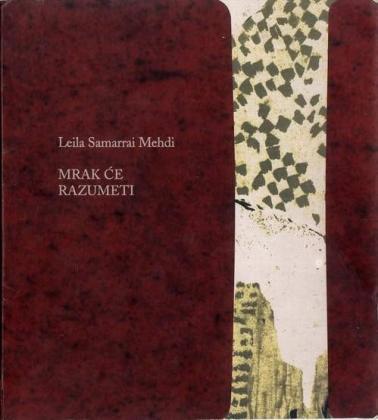
Doubting Thomas, “The Darkness Will Understand”, Leila Samarrai

552575_163869130402371_100003378556183_223135_1335172012_n

43

Is it true Doubting Thomas
That they told him:

For your possession
From thine mouth you win a right
While your day is dieing

And he

Condemned to circumstances in verve
Becomes everyone who supports him
Far away from the roads that gnaw on non believers

And he

Does not answer to the first word,
not even on the second he speaks
Only on the third humbly and considerately

And he

Knows this life is for the dead
And not for the living
Not even the wall blasphemes

And he

Begs for the transparent innocence with eyes of balm
And accomplishment of the desolate

And he

Even cares not to be returned among the people
Learning in prayer

Still one thing I do not believe you
I do not believe you saint Thomas
That comfort is not sufficient
Invented in the shape of a woman

Standard
proza

Leila Samarrai: Književnost u Srbiji postoji samo na nivou trača

Leila Samarrai: Književnost u Srbiji postoji samo na nivou trača

Leila Samarrai mlada je književnica koja, reklo bi se, tek stasava na našoj književnoj sceni, iako iza sebe ima objavljenu zbirku poezije i zbirku kratkih priča. Kako se na književnoj sceni snalazi, kako prolazi, postoji li uopšte književna scena kod nas, ispričaće nam mlada autorka, stoga – pripremite se…

Kako doživljavaš poeziju?

Kao vrstu šamanske bajalice sposobne da razgrne mrak u nama.

„Poeziji je namenjena uloga spasavanja sveta, ponovno vraćanje u celinu svih razdrobljenih stvari.“ Da li se slažeš sa ovom Hamvaševom tvrdnjom i zašto?

Čovek ne može a da se ne složi sa Hamvaševom tvrdnjom da je novija istorija oduzela čoveku/čovečanstvu mnogo toga svetog, te umesto kraljeva i dostojanstvenika itd. imamo na njihovim mestima razne surogate, “sumnjiva lica”… Ostao je pesnik, i sam pod obrazinom sumnjivog lica, živi svoj život pod maskom (ne više dvorske) lude… Te ako je reč ono što odvaja čoveka od životinje, od poživotinjavanja u ovo varvarsko doba, ko je taj koji će reč(i) dovesti u sklad i iskupiti čoveka, ako ne pesnik? Ali je pitanje i: ima li među pesnicima ljudi dovoljno jakih, čiji je magijski jezik dovoljno gromak da bi se čuo u sveopštoj kakofoniji koja nad nama vlada?

Kako se poezija uklapa u (tvoj) svet? Ili se, možda, svet uklapa u (tvoju) poeziju?

Čovek je u svom mikrokosmosu kao u nekoj svojoj zasebnoj kutiji, čiji je poezija poklopac, kojim se od sveta može zaštititi; koji se može otvoriti u želji za upoznavanjem nečeg šireg nego što je lični domet.

Kako doživljavaš odluku mnogih izdavačkih kuća da ne objavljuju zbirke poezije?

Realno, to je samoubistvo.

Čemu nas uči poezija?

Razmišljanju, izražavanju. Samilosti. Ima kod Hajnea jedno mesto: “Čemu ta jedina suza? Samo mi pogledu smeta.” Poezija daje dublji uvid onome što bi nam možda u svakodnevnoj strci promaklo; verujem u čoveka, zato kažem možda onde gde bi sigurno trebalo da stoji: da.

Može li se bez poezije?

Ako možemo bez suza/smeha, dana/noći, zombirani pod neonom, ispred svog televizora, ili u dimu i buci, možemo i bez poezije, učenja i mišljenja, neka drugi misli za nas.

Šta je za tebe poezija?

Prilika da ostanem sama sa sobom i svojim mislima… Prilika da stvorim nešto što ću, jednom pozvana, moći da pokažem kao sopstveni doprinos svetu.

Kako bi definisala poeziju?

Kao staru mudru zmiju koja tek ponekad izađe da se osunča (i plaši ljude).

Koliko su korisni književni festivali i radionice, mogu li da opstanu danas, u vreme sveopšte nemaštine, i može li se na njima nešto naučiti?

Učenje je pre individualna stvar, želja zapravo…

Šta je pojava interneta donela a šta oduzela piscima?

Svakako, veću primećenost, u širim krugovima… koji ipak mogu da rasplinu suštinu. Internet je Vavilon kome svaki pisac može i da doda i da oduzme ciglu, zavisno od afiniteta.

Svesna si da u tvom poslu (pisanju) nema „hleba“ (ili ga sve manje ima), pa opet istrajavaš. Zašto?

Za poeziju je potrebno biti “zaluđenik”, to je van svake sumnje, i van svake isplate; da se od poezije živi nešto baš i ne može, a uspeh je, vidno, varljiva kategorija. Što se mene lično tiče, prirodno mi je da se izražavam u stihovima, a da sam daleko od svake vrste priznanja, jesam… S druge strane, u ovoj zemlji biti priznat znači pokupiti svu malograđanštinu iz sebe i oko sebe i objaviti je. Stoga, želim biti priznata van granica, jer to jeste priznanje – pravo.

Kakve su, po tebi, generacije pisaca koje dolaze?

Poetski i prozni svet podeljen je na raznorazne sekte koje jedna drugoj kvalitet i poetski pristup ne priznaju. Šta će od svih za sto godina da ostane, bojim se i da pomislim.

Kako izgleda današnja književna scena?

Kada pogleda čovek šta se sve objavljuje, bez ikakvog kriterijuma, onda je jasno da naša književna scena postoji samo zbog novca. Mi mrdnuli nismo iz komunizma. Gde smo bili u književnom smislu, tu smo i sada, samo što je tržište mnogo manje, a intelektualna i svaka druga beda mnogo veća. Ne postoji ni srpska književna scena, niti joj se dozvoljava da postoji. Kritičari na svojim pozicijama, etablirani pisci na svojim pozicijama, najpre političkim, potom i književnim, ili umetničkim. Ukratko, književnost u Srbiji postoji samo na nivou trača.

Kod nas je totalno rasulo, a bez poštovanja i autora i autorskih prava, neće biti boljitka i Srbija će ostati književna crna rupa, bez obzira na veliki broj ljudi koji imaju šta reći i napisati.

Pesničke knjige se ne objavljuju, jer su neisplative. Zna se: autor mora da plati da bi izdao knjigu, tu je početak i kraj. Izdavača dalje ne zanima. Ukoliko autor nekim čudom “stekne ime”, onda će ovi bespravno štampati autora, kršiti autorska prava i tvrditi da oni čine autoru uslugu time što ga objavljuju. Samo štampanje je jeftino. Nečija npr. zbirka aforizama ili priča može da se prodaje preko neta, ima je u knjižarama, a pisac o tome uopšte nije obavešten, niti ima bilo kakav uvid.

I samo izdavaštvo je svedeno na novac. Imaš kintu, izdaćeš knjigu. Ukoliko nekim čudom “stekneš ime“, objavljivaće ti knjige, ali sav “kajmak“ će kupiti oni, izdavači, i još će ti reći da si srećan što te objavljuju. Dakle, autorska prava su totalno nezaštićena ili ne postoje. Izdavače briga za kvalitet, pa oni to i ne čitaju, ili prelete očima. Sve se svede na novac, to jest, keš, i seks. Što je, opet, dobra tema za neku priču ili roman, pa i za publicistiku i kao sociološki fenomen, na kraju krajeva. Obeležava jedno vreme i jednu zemlju.

A šta reći na temu mizoginije, tretiranje žene, pametne, lepe i privlačne žene kod nas, koja usput, sjajno piše. Ukratko: tretman mesa u srpskoj književnosti. Jeftina trgovina i svođenje žene-autorke na komad mesa, seksualnog objekta koji nema pravo da misli, već da se pokorava. Možeš da budeš pametna koliko god želiš, ukoliko ne radiš ono što ljigavac želi, nema objavljivanja, nema karijere, nema života od onoga što najviše voliš i najbolje znaš da radiš. Kada smo se već dotakli raznoraznih šovinizama, zašto prećutati i ovaj. To su, po meni, kompleksaši koji ne mogu na normalan način da dođu do seksa ili ljubavi, ili šta im je već potrebno, i tu kreće ta bolest, ucenjivanje. U normalnim okolnostima, znaju da ne mogu doći do lepih, pametnih i talentovanih žena, i koriste prividnu moć da bi se dokazali pred sobom i sličnima. To jeste jeftina trgovina, i verujem da je ženama, u tom smislu, mnogo teže nego muškarcima. O tome se malo piše, malo pominje, a to jeste kancer života u ovoj i ovakvoj zemlji, u ovakvom sistemu bez sistema i kriminalizovanom društvu. Još uvek verujem da ne mora nužno biti tako, ali sada ukazujem da književni svet nije šareni i nežni leptirić u koji je posuta sva lepota sveta. Talentovani ljudi odlaze iz zemlje, gubimo intelekt, gubimo ljude koji bi mogli zemlju da pomere iz blata. A onda se čudimo kada Mrkonjić i Ilić postanu ministri. Jasna stvar: nasilje i seks, okosnica rijaliti šou programa, potpuno preneta i u sferu književnosti, što bi, trebalo da bude, bastion pred poplavom kiča i primitivizma.

Razgovor vodila

Tamara Lujak

Standard